

 See My Latest Article on HelloNation
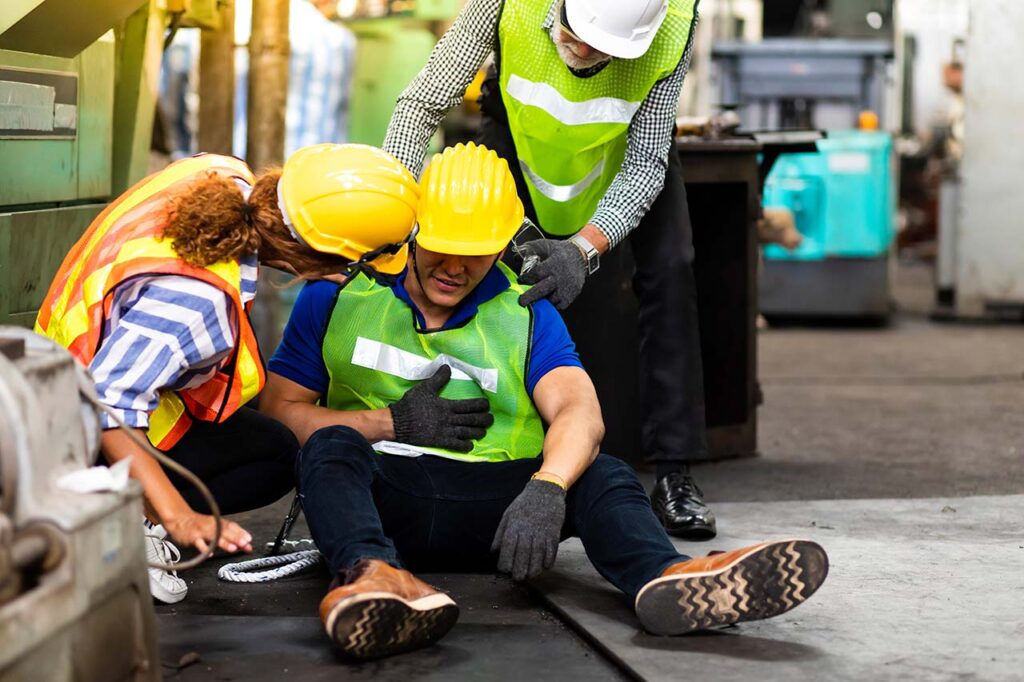
Why Is Evidence Collection Crucial After an Accident?
Gathering reliable evidence following an accident can significantly affect how a claim is handled by insurance or legal entities. Accurate evidence—like photos, documented conversations, and official records—can clarify what happened and protect residents in Naperville, IL if disputes arise.
Being thorough increases the chance that your experience is properly understood and reduces misunderstandings about fault or damages. Even minor details can add context that makes a difference in both negotiations and potential court cases.
What Types of Evidence Should You Collect First?
The most useful evidence is gathered immediately, while details are freshest and before things are altered or forgotten. Begin with:
- Photographs or video: Capture the vehicles, injuries, road conditions, weather, and surrounding area from several angles. For example, snow, wet leaves, or potholes on suburban Naperville streets can matter in proving what contributed to the incident.
- Physical items: If any debris, damaged personal property, or misplaced items are present, save them or document their location with a photo.
- Written notes: Record your memory of events as soon as possible—what was said, directions you and others were traveling, time of day, and anything unusual (such as a malfunctioning traffic light).
Should You Speak With Witnesses?
Immediately after an accident, witnesses can provide valuable unbiased accounts, especially if you and others involved disagree on what happened. Politely ask local residents or bystanders for their names, contact information, and if they will make a brief statement about what they saw. If they appear willing, write down or record what they say (with their consent). For context, Naperville often has people out walking in parks or in neighborhoods, so witnesses may remain nearby for a short window of time.
How Can You Document Environmental Factors?
Weather, visibility, and road conditions influence how responsibility is determined. For example, icy sidewalks in the winter, flooding after heavy spring rains, or construction detours can change how an accident is viewed.
- Take wide shots of the area to highlight environmental clues.
- Record street signs, construction cones, or temporary barriers.
- Note if streetlights are out, intersections are obscured by foliage, or traffic markings are faded—a common occurrence in some residential sections.
Adding time and date stamps, either through camera settings or by including a local daily newspaper or smartphone lock screen in a photo, can authenticate when and where images were taken.
Should You Report the Accident?
Reporting is mandatory in some circumstances under Illinois law, especially for auto collisions involving injury, death, or property damage above a specific threshold. Call 911 for emergencies, or the local police department for non-emergencies, to initiate an official report. Officers document statements, assess the scene, and produce a report that becomes an important part of any future claim.
Always request a copy of the official report or the report number; these documents are routinely accessed by Naperville residents through local government channels.
What About Medical Evidence?
Access medical attention right away—even if symptoms seem minor. Some injuries, such as whiplash or concussions, may be delayed. Medical records serve dual purposes: ensuring your health and creating a professional account linking injuries to the accident.
- Ask for discharge paperwork, diagnosis notes, and imaging results.
- Retain all receipts for out-of-pocket costs, transportation to medical appointments, or therapy.
- Follow medical recommendations and keep a journal documenting symptoms and treatments over time.
How Do You Avoid Common Evidence Mistakes?
Some evidence can be lost or compromised. Residents of Naperville are sometimes caught off guard by these common missteps:
- Delaying documentation, assuming minor accidents don’t require careful evidence collection.
- Relying solely on memory—facts fade quickly, especially after a stressful event.
- Only taking close-up photos—context shots are just as useful.
- Failing to request a full police report, not just an accident number.
- Posting accident details or photos on social media, which can be used out-of-context by opposing parties later.
What If the Other Party Changes Their Story?
Having detailed evidence can prevent later changes in recollection from derailing your case. Written statements, timestamped photos, and third-party reports reduce uncertainty if someone gives conflicting accounts later.
Keep all original materials in a secure place. Do not alter, enhance, or edit photos and do not coach witnesses—authenticity is often closely examined.
Are There Special Considerations for Accidents Involving Pedestrians, Cyclists, or Public Property?
Accidents outside vehicles—like while cycling or walking—require all the same steps as above, but with special focus on:
- The location of crosswalks, bike paths, or public sidewalks.
- Traffic signals or signage for pedestrians and cyclists.
- Maintenance records for public spaces, sometimes accessible through city agencies if conditions like a broken sidewalk are involved.
- Interaction with local authorities responsible for these environments (i.e., park district, public works).
How Should Evidence Be Organized for Future Use?
Staying organized makes processes easier later if you need to file a claim, consult with local authorities, or manage ongoing recovery. Suggested methods include:
- Create a digital folder on a secure device for images and documents.
- Keep a backup (USB, cloud storage, or hard copy) outside your main residence in case of fire or technical failure.
- Store physical evidence or paperwork in a clearly labeled envelope or folder.
- Maintain a timeline or checklist to track conversations, treatments, and deadlines.
By staying thorough and organized, local families and individuals are better prepared, regardless of how minor or complex the situation appears at first.